

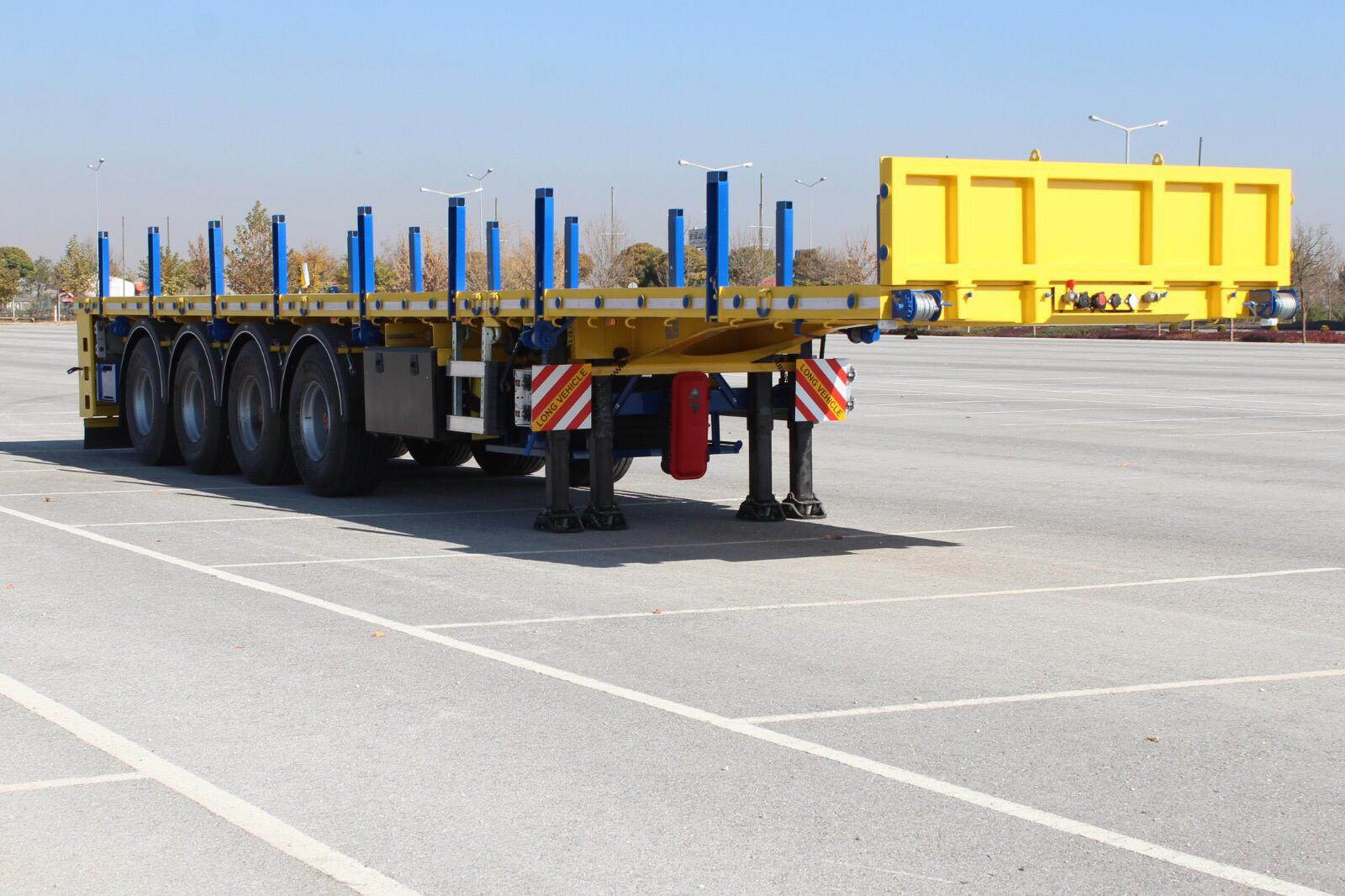
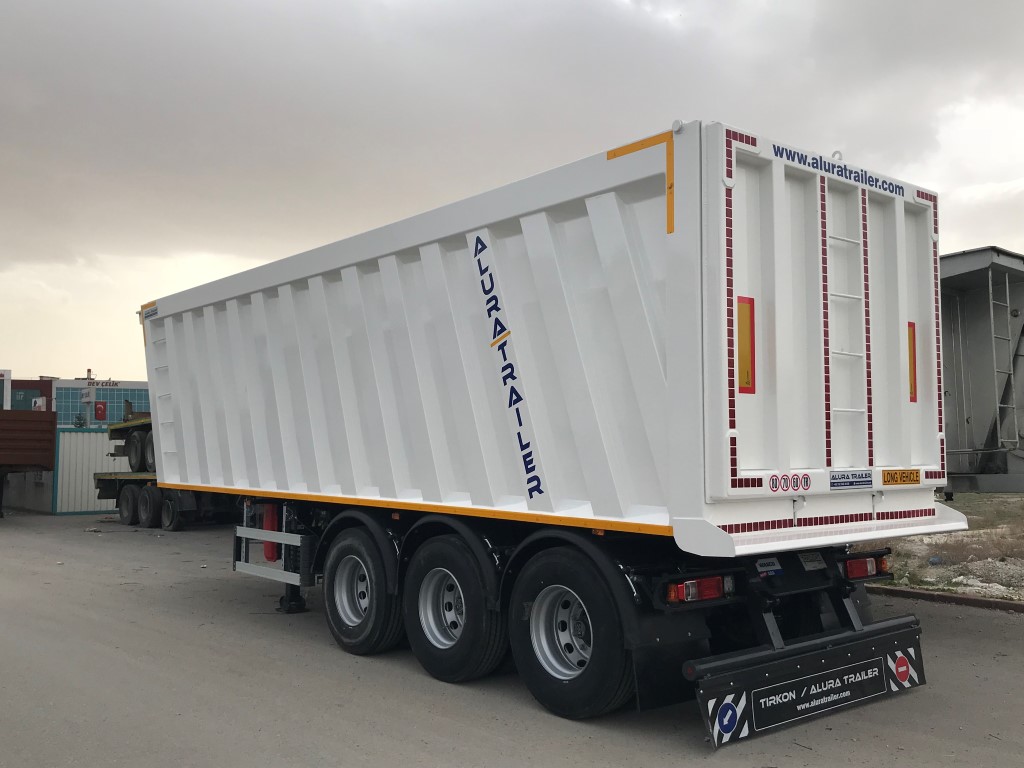
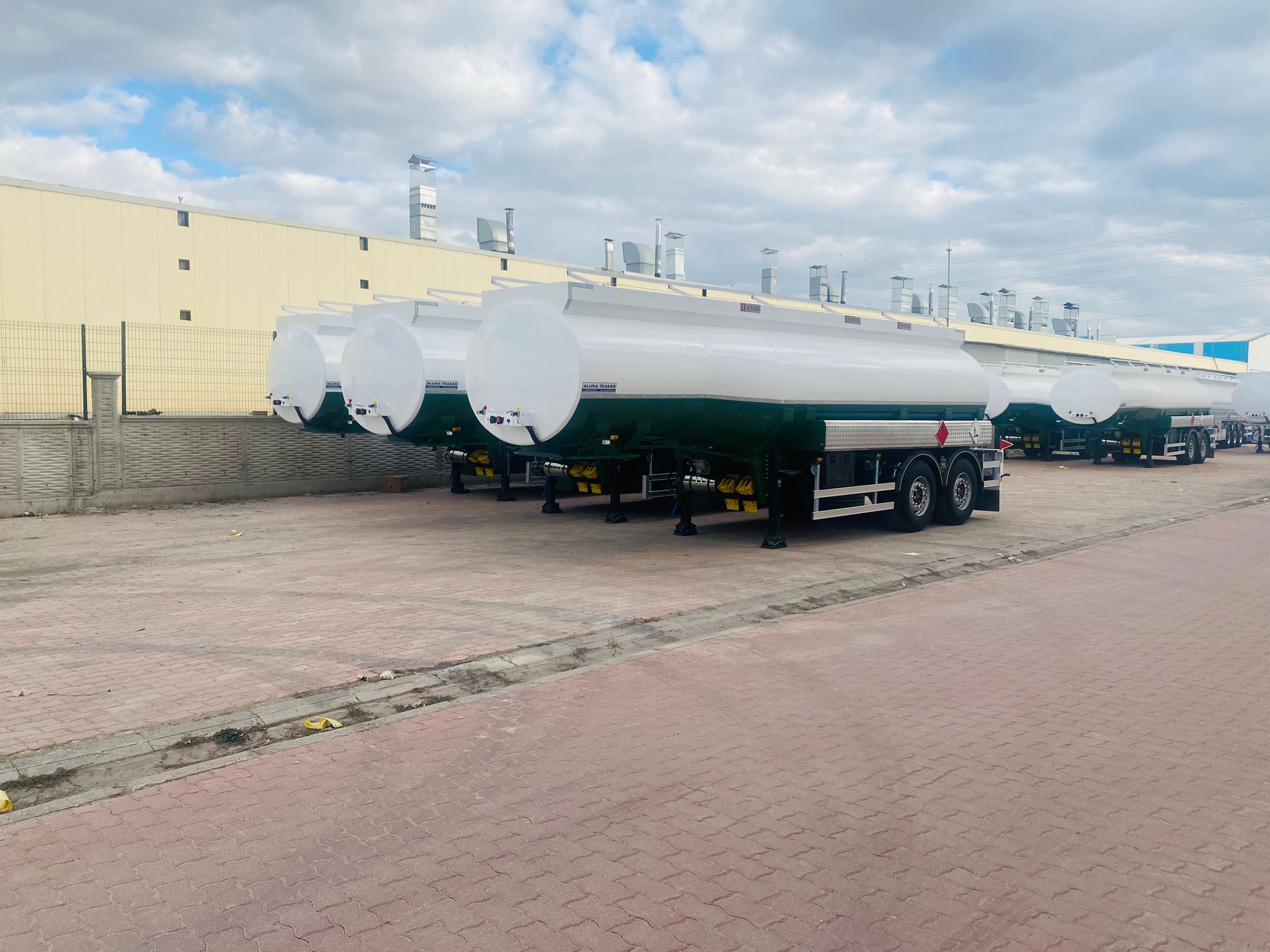

RELEVANT ALURA CATEGORY
Lowbed Semi Trailer
Heavy Transport
A lowbed semi trailer is generally the relevant product category for transporting heavy machinery, construction equipment and other cargo where a lower loading platform and suitable machine loading access are important.
What should be considered?
- Actual cargo or machine operating weight
- Overall cargo length, width and height
- Track width or equipment footprint
- Required loading height and ground clearance
- Axle load requirements and operating-country regulations
- Tractor configuration and intended route conditions
Relevant configuration possibilities
- Hydraulic or project-specific loading ramps
- Widening extensions
- Outrigger and cargo support solutions
- Heavy-duty suspension and axle configurations
- Project-specific deck and loading arrangements
Related information in the Alura knowledge base
"Thank you. Based on the current information, Alura Trailer can evaluate a heavy-duty lowbed with a multi-axle configuration, hydraulic ramp system and deck arrangement suitable for the excavator dimensions. The exact axle configuration, loading height and payload design should be confirmed by Alura Trailer engineering.
ALURA TECHNICAL KNOWLEDGE
"Based on the information provided, this appears to be an oversized heavy machinery transport application. A heavy-duty multi-axle lowbed could be considered. To narrow the configuration, will the excavator be driven onto the trailer using ramps, and what tractor configuration will you use?"
ALURA TECHNICAL KNOWLEDGE
Alura Trailer designs and manufactures lowbed semi-trailers for heavy machinery, construction equipment, mining equipment, industrial machinery, oversized cargo and special transport applications.
ALURA TECHNICAL KNOWLEDGE
Alura Trailer manufactures lowbed semi-trailers for heavy machinery, construction equipment, mining machinery, industrial equipment, oversized cargo and special transport.
ALURA TECHNICAL KNOWLEDGE
Important configuration note
The number of axles and final payload configuration should not be selected from cargo weight alone. Cargo dimensions, tractor data, axle loads, route conditions and local regulations should also be reviewed.