
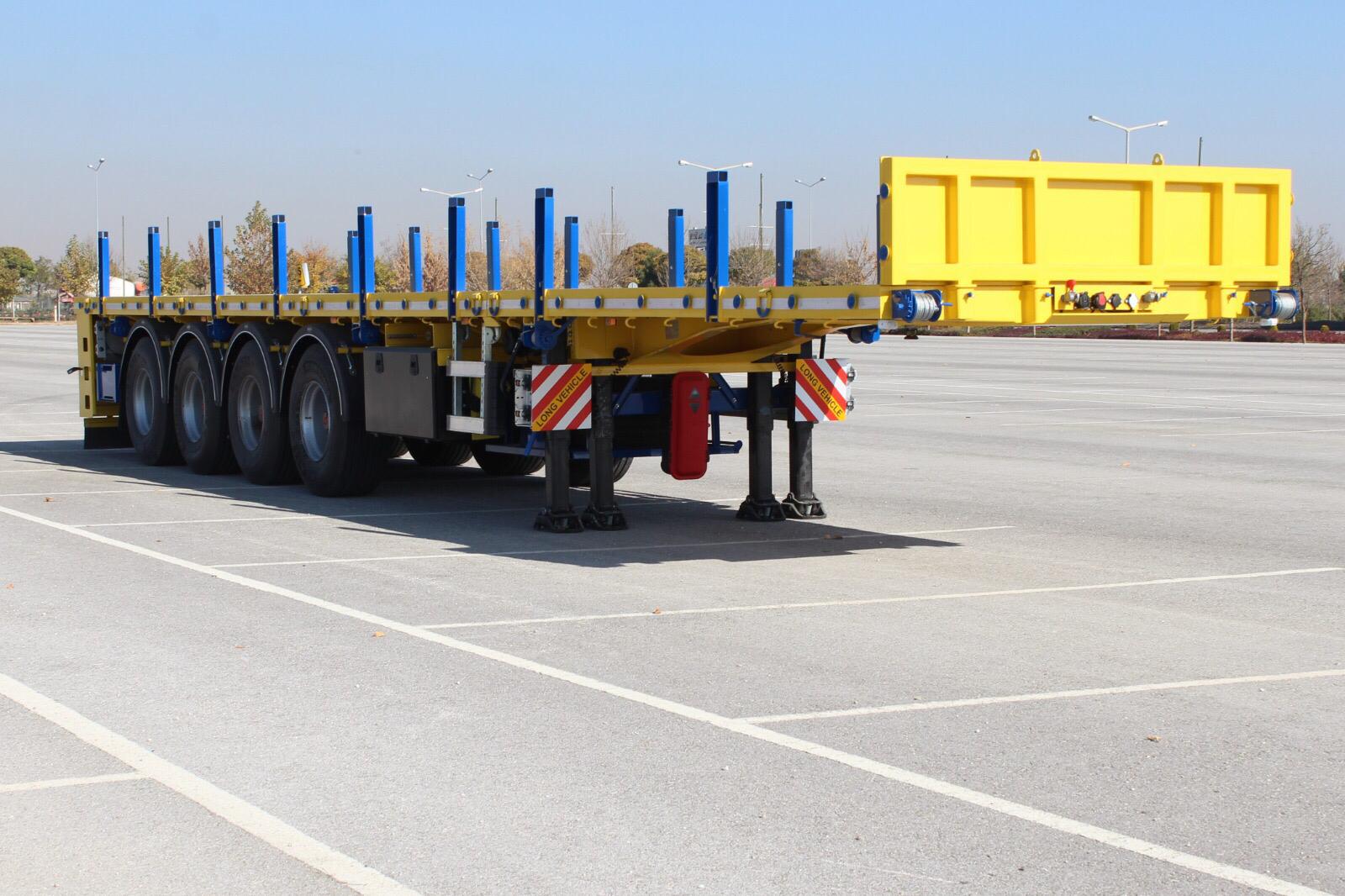

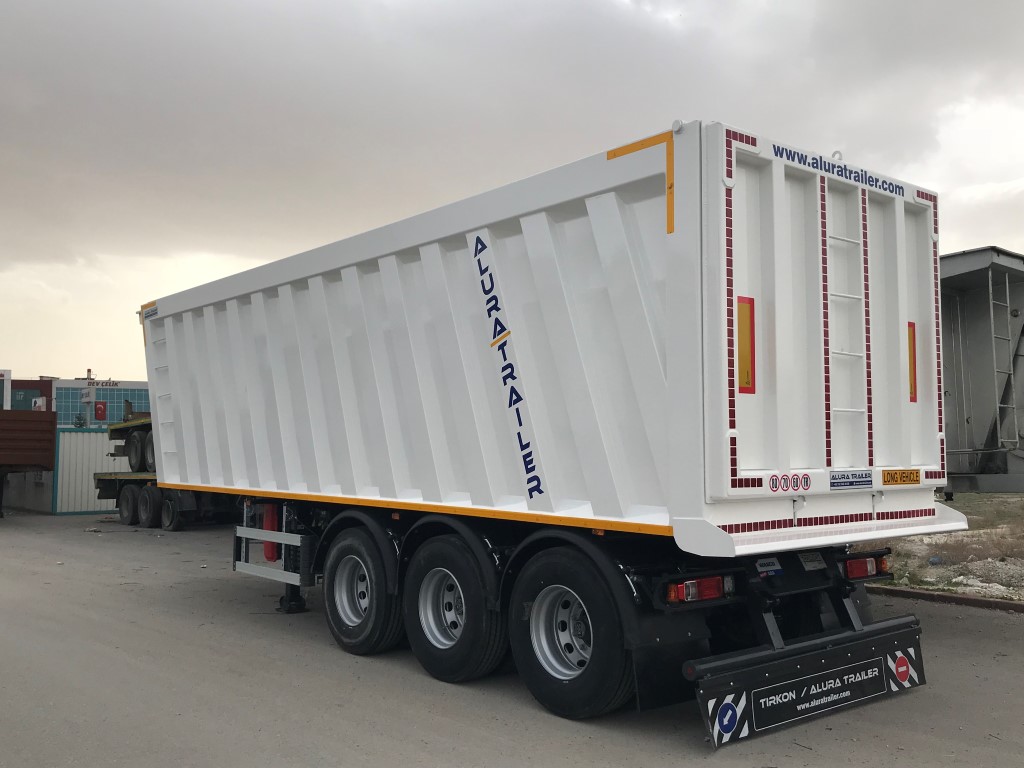
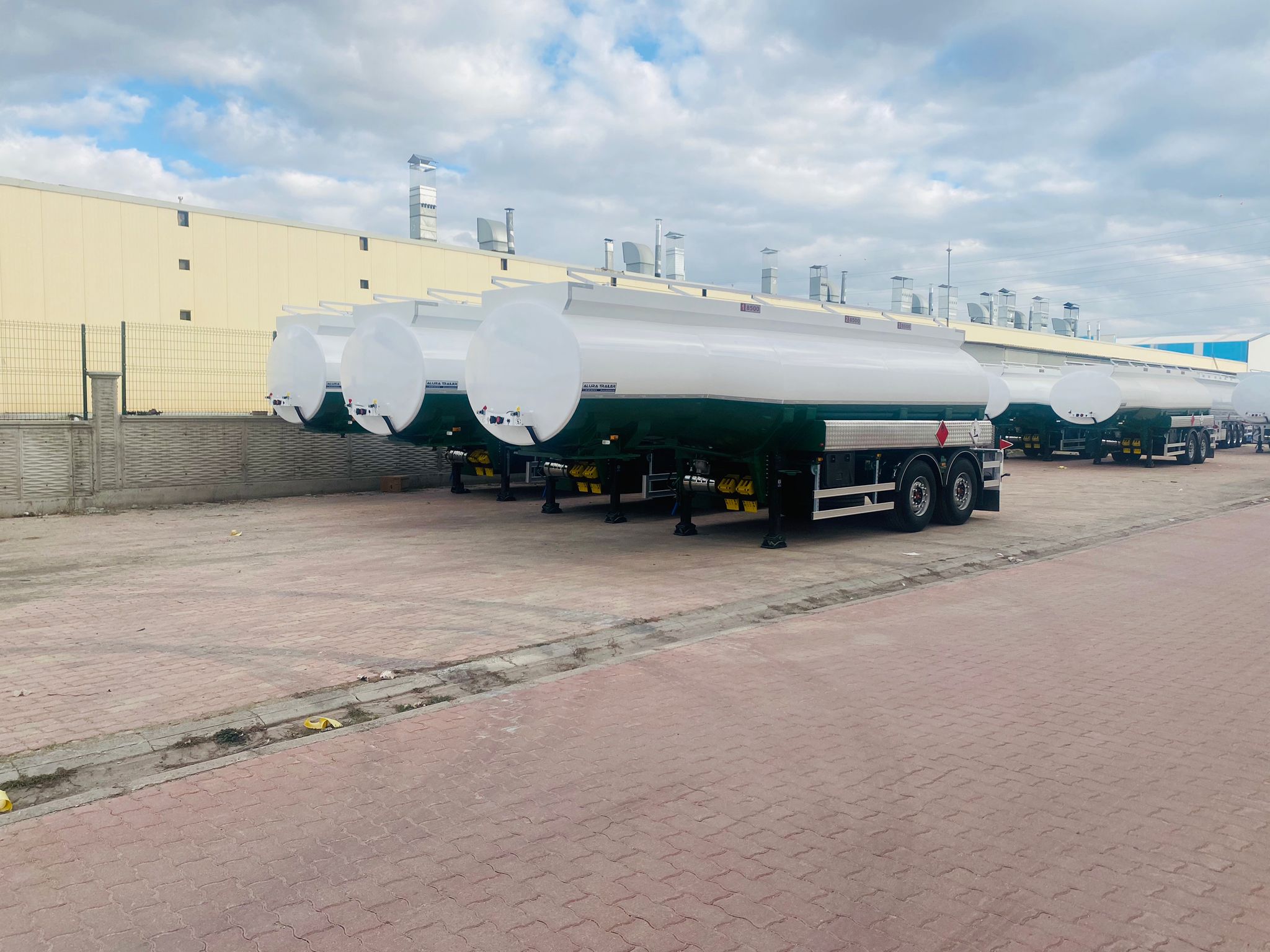

Chassis & Dimensions
Review the main dimensions, platform layout, structural alignment and visible condition against the agreed configuration.
Heavy-duty transport solutions engineered for global logistics, industrial operations and specialized projects.
From chassis fabrication to final inspection, production brings the agreed trailer specification into a finished vehicle.
Alura Trailer manufactures standard and custom semi trailers for transport, construction, mining and industrial operations. Production checks cover the structure, installed components and equipment relevant to each trailer configuration.
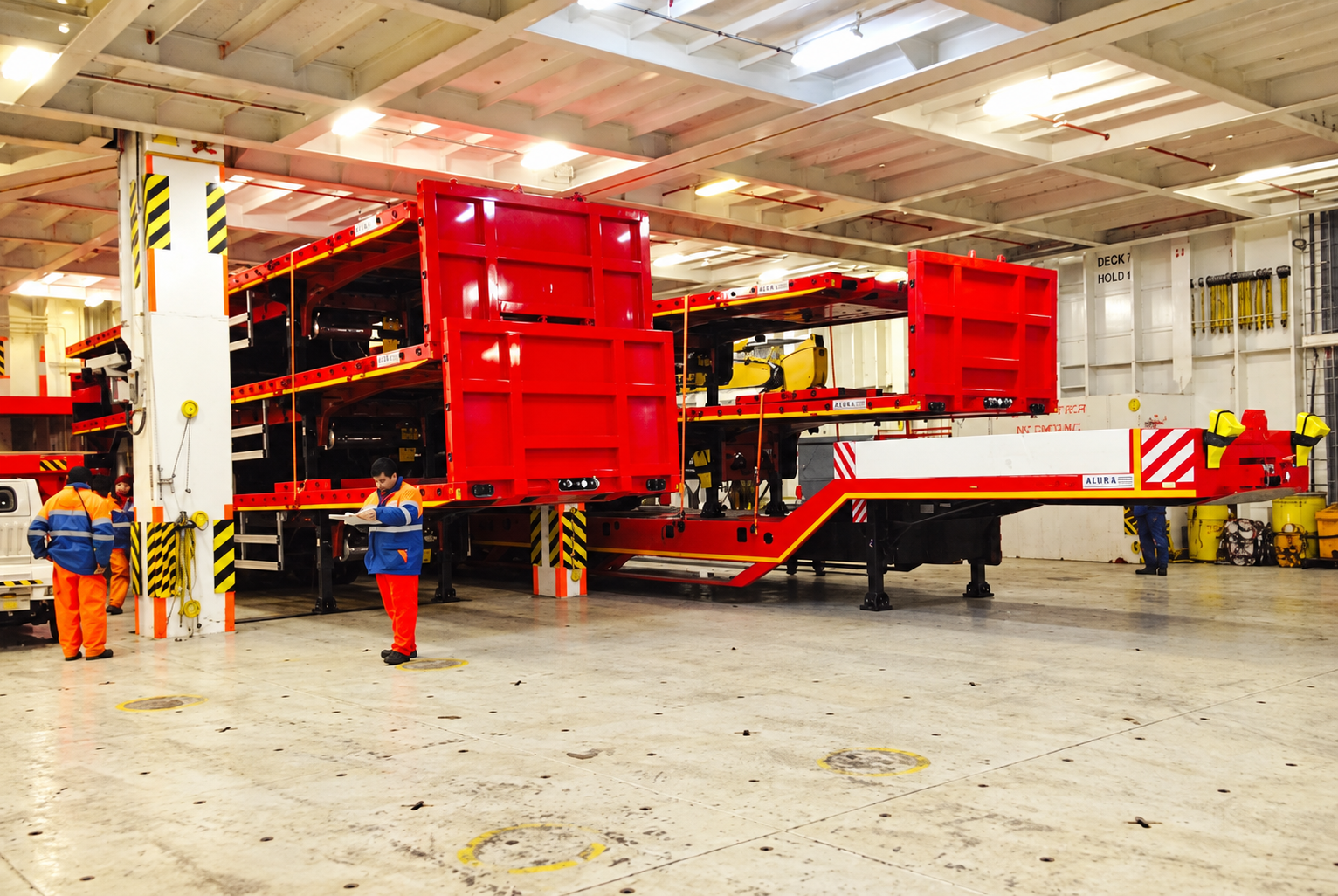
Production combines material preparation, fabrication, assembly and inspection. The sequence and equipment requirements vary with the trailer model and order.
Production starts with the agreed trailer configuration: intended cargo, payload requirements, platform dimensions, axle arrangement and optional equipment.
Review point: production specifications and selected equipment.
Steel sections, plates and components are prepared for the trailer model. Material selection, cutting and preparation follow the production specifications.
Review point: material identification, dimensions and condition.
Chassis members, crossmembers and reinforcements are assembled and welded. Dimensional and visual checks help identify issues before the next production stage.
Review point: chassis dimensions, alignment and visible weld condition.
Fabricated surfaces are prepared for the specified coating system. The finish is reviewed before the trailer proceeds to final assembly.
Review point: surface preparation, coverage and visible finish.
Axles, suspension, braking equipment, electrical systems and selected accessories are installed. Hydraulic ramps, steering or other systems are fitted where specified.
Review point: component installation, connections and clearances.
The completed trailer is reviewed against the order specification. Functional checks, identified corrections and document preparation form part of the delivery process.
Review point: fitted equipment, inspection findings and delivery documents.
Inspection focuses on the completed trailer and its installed equipment. The following areas form a practical overview; the applicable checklist depends on the specification and systems fitted.
Review the main dimensions, platform layout, structural alignment and visible condition against the agreed configuration.
Check the installed configuration, mounting points, fastenings and clearances. Review wheel and tyre specifications against the order.
Check brake connections, line routing and system operation using the procedure applicable to the installed braking configuration.
Check fitted lights, indicators, electrical connections and cable routing for operation, positioning and protection.
Where fitted, inspect hoses and connections and check the operation of hydraulic ramps, steering or other equipment for movement and visible leakage.
Review the fitted coupling arrangement, landing gear installation and operation, together with relevant fastenings and access.
Inspect the deck, loading ramps, locking mechanisms and specified accessories. Functional checks depend on the equipment fitted.
Review visible finish, identification markings and the technical and delivery documents agreed for the trailer.
Delivery preparation connects the completed vehicle with the order specification, inspection findings and agreed documents. Any identified items requiring correction should be addressed and checked before release.
For custom trailers, confirm any additional inspection, photographic reporting or handover requirements with our team at the order stage.
The main stages are specification review, material preparation, chassis fabrication and welding, surface finishing, component assembly and final inspection.
The final review covers the agreed configuration, visible condition, fitted components and relevant functional checks. Braking, lighting and equipment checks depend on the trailer model and installed systems.
Hydraulic checks apply to trailers equipped with hydraulic systems, such as hydraulic ramps or steering. Trailers without hydraulic equipment do not require those checks.
Yes. Custom equipment and particular operating requirements may call for additional checks. Discuss these requirements with our team before the production specification is finalised.
Contact our team to discuss the photos, records or inspection arrangements available for your order. Agree any specific reporting requirements before production begins.
No. A production inspection reviews the manufactured trailer and its equipment. Applicable approval and registration documentation must be considered separately for the configuration and destination.

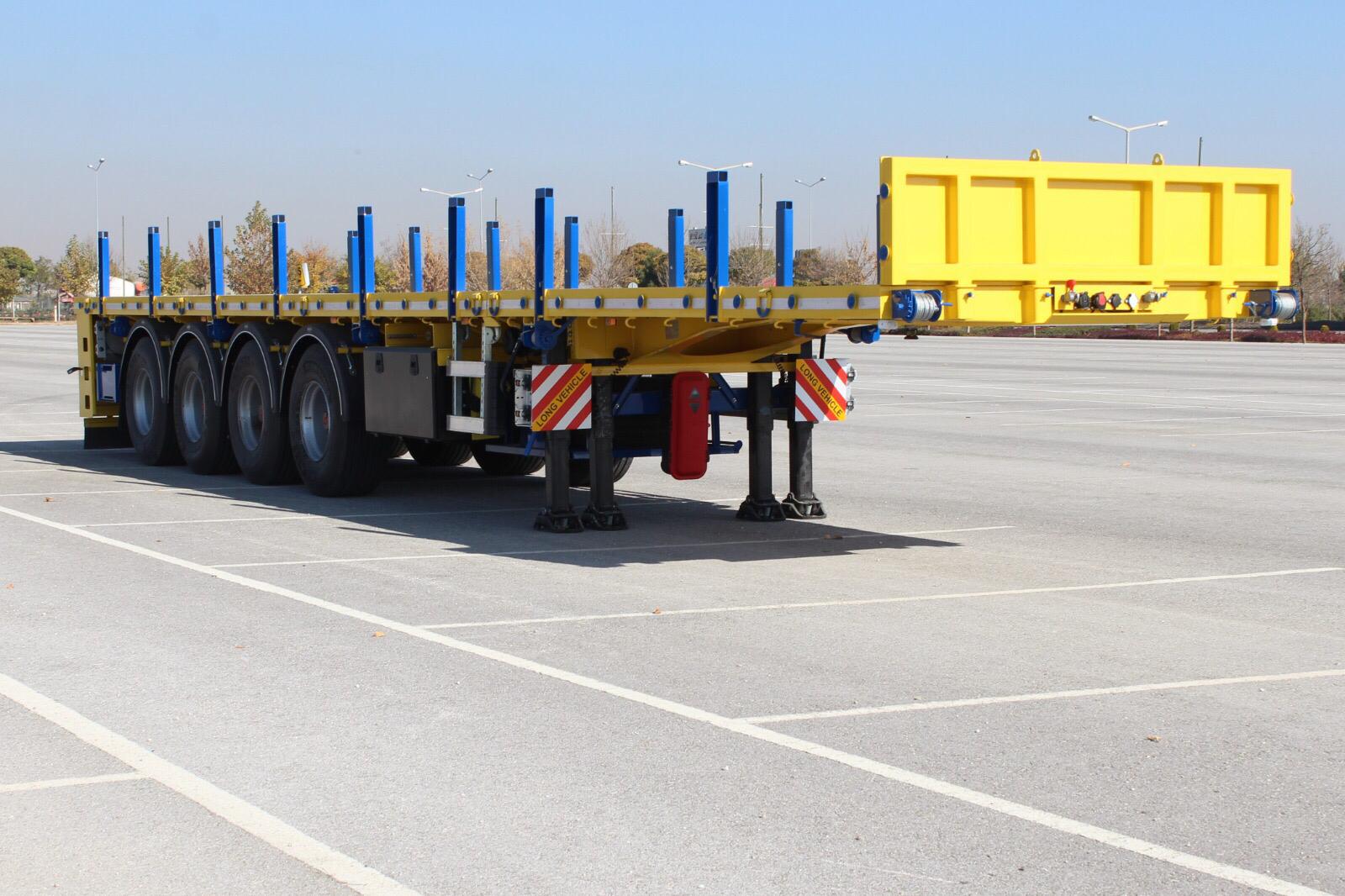
Share your cargo, required capacity and destination. Our team can discuss production options, fitted equipment and the inspection requirements for your order.